
Fashion, commercial & editorial photography: what is the difference?
Start with the purpose of the pictures. Commercial photography promotes a business, product, or service. Editorial photography supports a story or publication. Fashion describes the subject and creative field—and can be either commercial or editorial.
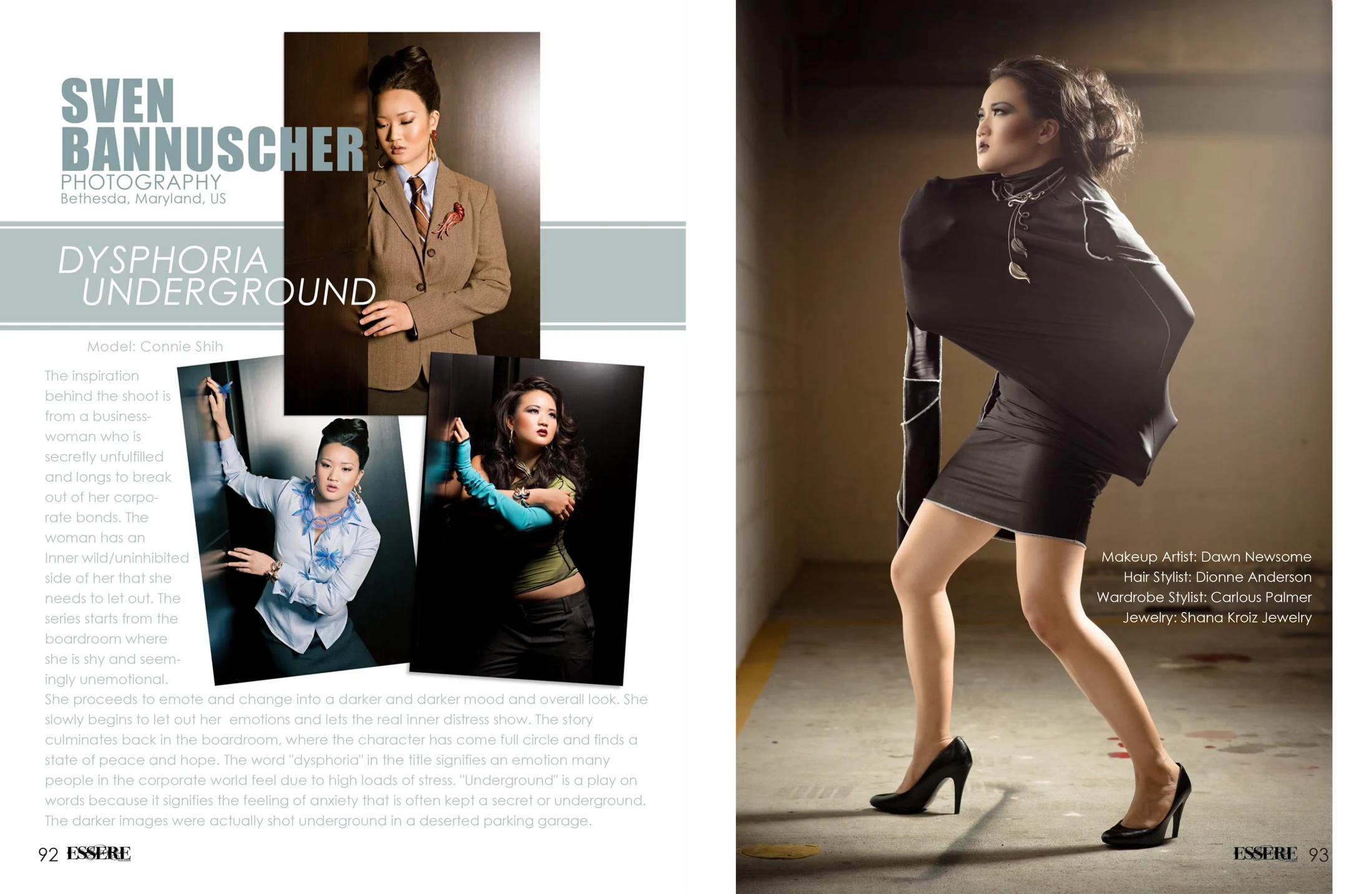
These categories overlap. A fashion label’s advertising campaign is commercial work. A magazine’s fashion story is editorial work. A white background, dramatic styling, or the number of lights does not decide the category.
Compare the purpose before the style
| Category | Primary purpose | Typical assignment |
|---|---|---|
| Commercial | Help a business communicate, market, or sell. | A product catalog, advertising campaign, company website, or service promotion. |
| Editorial | Illustrate, inform, or develop a story. | A magazine feature, author interview, portrait story, or fashion editorial. |
| Fashion | Explore clothing, styling, accessories, and the ideas around them. | An advertising campaign, lookbook, catalog, or magazine story, depending on the brief. |
Commercial photography
The commercial brief starts with a business objective. What should the viewer understand, feel, or do? A catalog may need consistent views and accurate garment detail. A campaign may need atmosphere and an arresting concept. Both can serve a commercial purpose.
Lighting and styling follow that objective. Commercial work can be simple or elaborate, photographed in a studio or on location. A clean background is one useful approach, not a defining rule.
Editorial photography
An editorial brief starts with the subject, story, and publication. A portrait can introduce a person, establish a setting, or reveal something about an interview. A sequence can build a narrative across several pages. The composition also needs to work with the intended layout, headline, and captions.
Editorial photography can include portraits, food, architecture, fashion, and other subjects. Adobe’s editorial photography overview describes this breadth and the importance of the story and its destination.
Fashion photography
Fashion work centers on garments, accessories, styling, and presentation. Sometimes the priority is showing the clothing clearly; sometimes it is expressing an attitude or a visual world. The commission determines whether the images function as product information, advertising, or an editorial story.
The same subject can serve different briefs
Imagine photographing a jacket. An online store may need repeatable front, back, and detail views. A brand campaign may place the jacket within a distinctive scene. A magazine may use it as part of a story about shape, color, or culture. The subject stays the same; the audience, purpose, layout, and deliverables change.
Does dramatic lighting make a photograph editorial?
No. Light creates mood, shape, texture, and emphasis. One light can produce a dramatic portrait; several lights can produce a restrained catalog image. Choose the setup that solves the brief. For practical examples, see the separation and isolation lighting guide.
Does “editorial style” describe permitted usage?
A visual style and an agreed use are separate questions. Before production, document where the finished images will appear and what the client is commissioning. Confirm the intended usage with the photographer; a stylistic label is not a substitute for that agreement.
Five questions for a useful photography brief
- What is the job of the image? Explain the story, business objective, or product information it must communicate.
- Who will see it, and where? List the intended placements, such as a website hero, a printed feature, or a catalog spread.
- What must be visible? Identify essential product details, people, surroundings, and any space needed for text.
- What needs to stay consistent? Agree on mood, styling, backgrounds, crops, and the relationship between images.
- What needs to be delivered? Confirm the image count, formats, retouching scope, usage, deadlines, and approval contact.
Examples from the Svenler portfolio
The Bottega Italian Living catalog project shows a commercial production context. The Vicky Beeching cover editorial for DIVA shows work made for a publication. The Ken Ballen author portrait illustrates how a person and a setting can work together.