
Headshots · Practical guide · October 1, 2026
What makes a great corporate headshot?
A practical guide for San Diego professionals and teams.
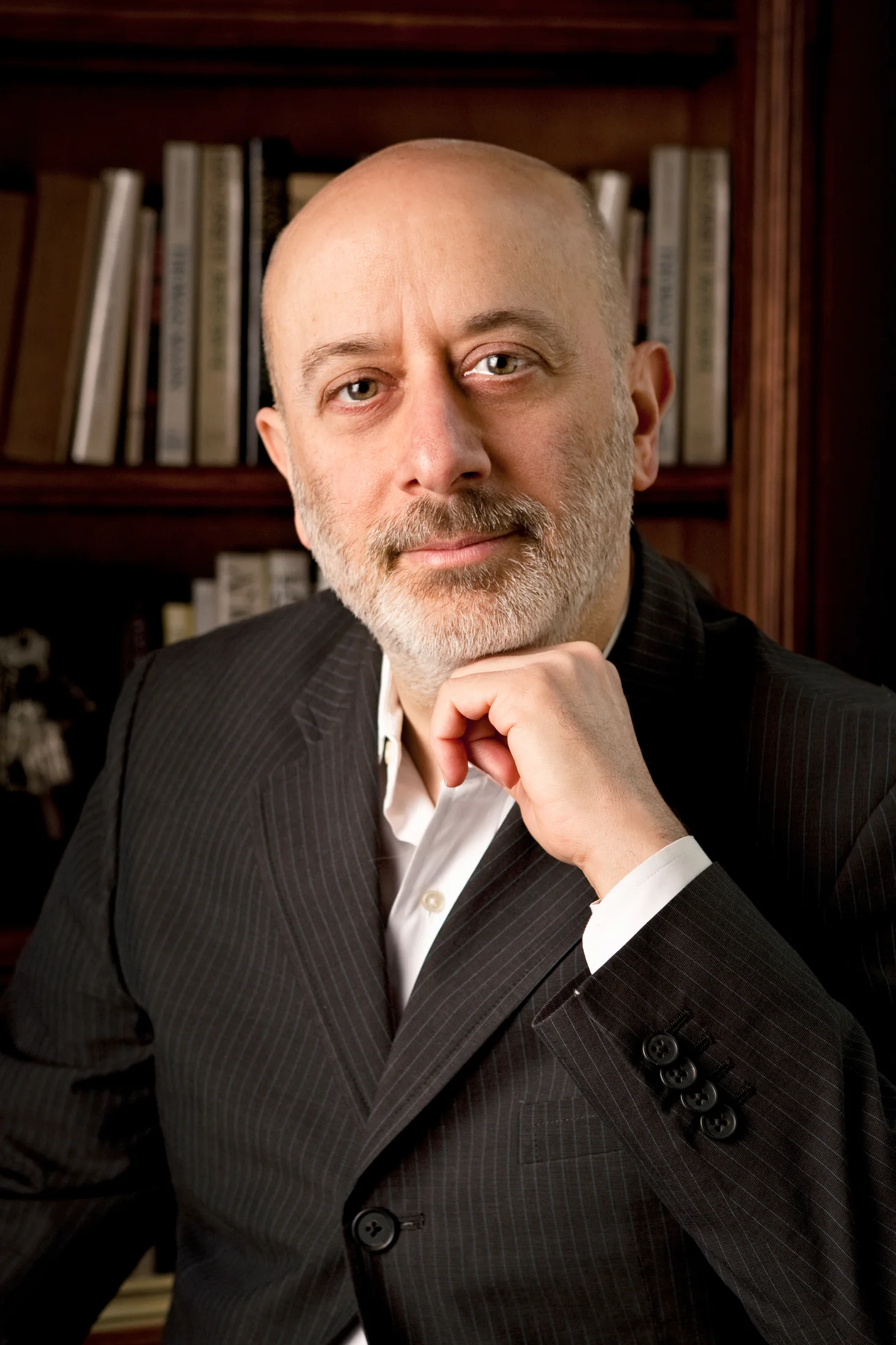
A good business portrait makes recognition easy. It looks like you, fits the way your organization presents itself and remains useful wherever people first encounter your work. That requires more than a clean background: expression, lighting, clothing, framing and a clear brief all need to work together.
This guide helps individuals prepare for an executive portrait and helps teams plan a consistent set of San Diego corporate headshots.
Professional headshot or casual portrait?
A casual photograph can communicate warmth, but it may also include distracting scenery, uneven light or a crop borrowed from a group picture. A professional headshot is made for its intended use. The subject remains clear at a small size, the light is deliberate, and the expression is chosen rather than accidental.
There is no universal corporate look. A law firm, a creative studio and a founder-led business may need different visual languages. Start by deciding where the image will appear and what a viewer should understand about the person.
Choose clothing that supports your face
Bring clothes you would comfortably wear to meet the people who matter to your work. Well-fitting layers generally offer more options than a single outfit. Check collars, sleeves and jackets before the session, and bring an alternative if you are unsure.
Solid colors and understated textures can keep attention on the face. Very fine patterns may distract or reproduce unpredictably at small sizes. The best color depends on the background, complexion and brand palette; there is no reason every person on a team must wear the same color.
For a company session, share a short wardrobe guide ahead of time. Specify the level of formality and any real brand constraints, while leaving people room to dress naturally.
Expression matters more than a fixed pose
A useful expression feels engaged and believable. A broad smile may suit one role; a quieter expression may suit another. Make several variations rather than deciding that one expression must work everywhere.
Direction helps people who are uncomfortable being photographed. Small adjustments to posture, shoulders, chin and the relationship to the camera can change how a portrait reads. A session should allow time to settle in, respond to guidance and review the direction of the photographs. The aim is presence, rather than a pose that feels borrowed.
Studio-style or environmental portraits?
A controlled background is useful when consistency matters. Lighting, camera height and framing can be repeated across a team, and the resulting photographs are easy to place together on a company website. A studio-style setup can also be brought to an appropriate office space.
An environmental portrait uses the surroundings as part of the story. An office, workshop or other meaningful setting may communicate something about the person’s work. The background still needs to be considered: visual clutter, mixed light and reflections can compete with the subject.
For executive headshots in San Diego, choose the approach around the intended uses and the location available. You may need a simple profile photograph and a wider portrait for press or speaking materials.
Make a team look consistent without making everyone identical
Team consistency comes from repeatable decisions: background, lighting, camera position, crop, editing and final image dimensions. Expressions and clothing can retain individuality within that structure.
Before a company headshot day, agree on examples and on the crops the website actually uses. Ask whether future hires will need to be photographed in the same style. Record the setup so a later session can be matched more reliably.
Existing portraits do not all have to be replaced at once. When a complete reshoot is impractical, define a consistent direction for new images and plan the transition.
Plan an on-site company headshot day
Assign one coordinator and confirm the number of participants, the available room, access, power and any restrictions. Choose a location that can remain undisturbed; a corridor used for meetings is rarely an efficient portrait station.
Give people individual appointment windows, build in a buffer and plan how late arrivals will be handled. The photographer can help scope realistic session lengths after understanding the number of looks and the level of direction each person needs.
Send preparation notes beforehand and arrange a simple way to identify each person’s files. Confirm how selections will be made, who approves the team’s look and who receives the finished photographs. Delivery timing, retouching and usage should be agreed as part of the assignment, rather than assumed.
For a step-by-step look at appointments, preparation and delivery, read How to Plan a Company Headshot Day.
Prepare for every place the image will appear
A LinkedIn profile, a company biography, a press announcement and a speaking profile do not necessarily use the same crop. Leave room for the expected layouts and request the appropriate versions instead of stretching a small file or repeatedly cropping a finished image.
Keep a clean, high-resolution master alongside the web-ready files. Confirm business usage and licensing with the photographer, particularly when an image may also appear in advertising or partner materials.
When should a headshot be updated?
Update a portrait when it no longer looks like you, when your role or brand presentation changes, or when the current file no longer serves its uses. There is no meaningful rule that everyone needs a new headshot every year. Review the images periodically, especially before a new website, leadership announcement or coordinated team update.
Planning your session with us
We create commercial, editorial and portrait photography for San Diego and assignments further afield. Explore the headshots and team portraits, review the photography services or see selected commercial and editorial projects to identify an approach that fits your brief.
For a team inquiry, include the approximate number of people, location, intended uses and timing. For an individual portrait, describe the role and the places the image needs to work.