
Fashion photography planning
Fashion Catalog vs. Campaign Photography: What Goes on the Shot List?
Start with where the photographs will go. On a product page, a shopper needs to see how the garment fits and what changes from one style to the next. On a billboard, the photograph has to hold together when someone sees it from a distance. If a fashion shoot needs to cover both, give each set its own shot list before building the schedule.
Catalog photography: make garments easy to compare
For Bottega Italian Living, the catalog assignment for Debra Arrington Battista brought full-length and closer photographs together. The wider view gives the gown its silhouette and shows how the fabric falls in motion. Closer images can give a shopper room to see details that get lost in a full-length frame.
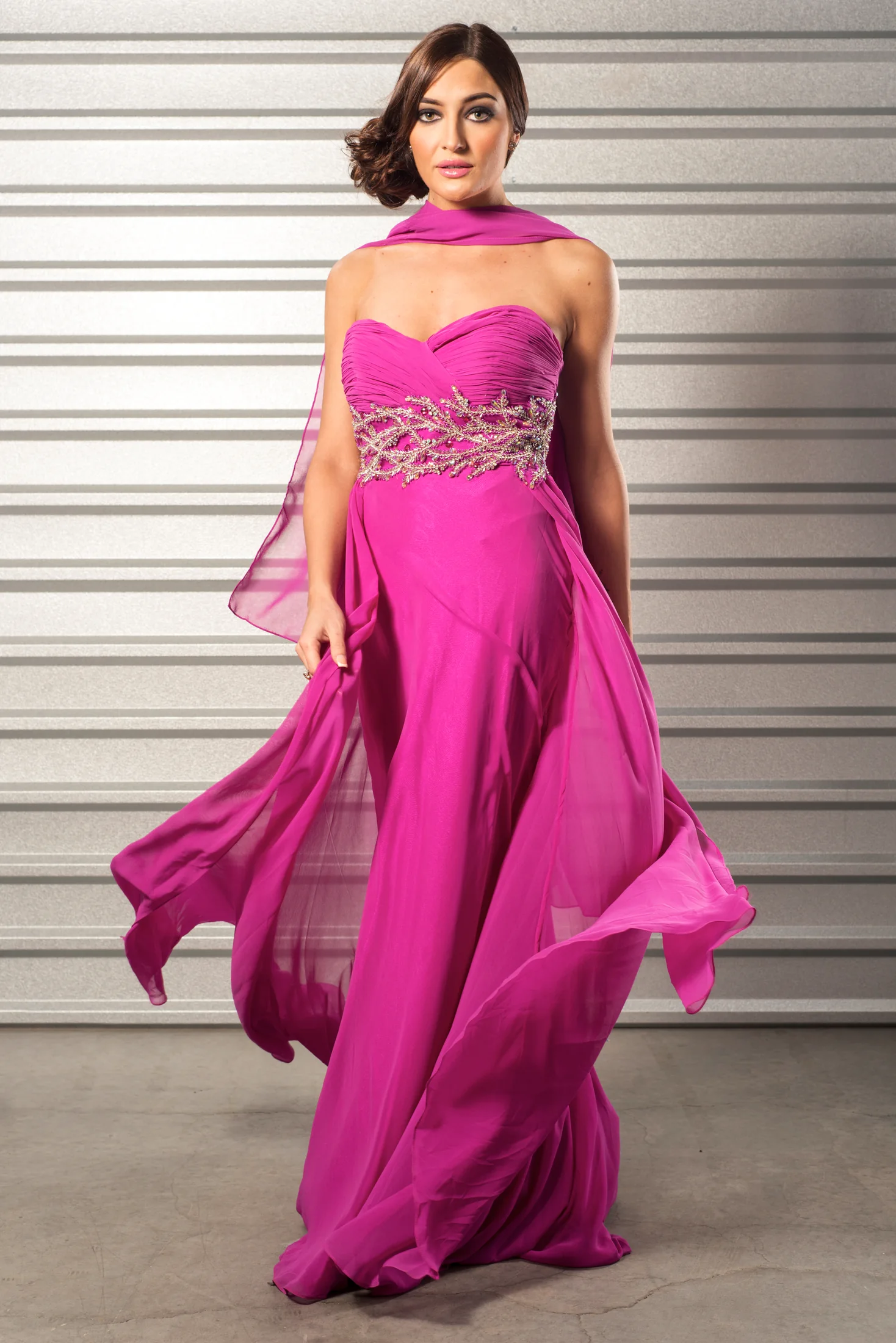
- For each style: list the full-length, side and back views the buyer needs. Decide which views should repeat across the collection.
- For each important detail: name it on the list, whether it’s a fastening, a neckline or the texture of the fabric.
- For fit and movement: identify the garments that need a seated pose, a turn or a walking frame to show how they behave.
Campaign photography: plan the image around its placement
In the Carlous Palmer Designs billboard installation in Baltimore, the portrait and the brand name have to read together from the street. The installation photograph shows what the finished placement actually looked like. That’s a useful reference when planning a campaign whose lead image needs to work beyond a product page.
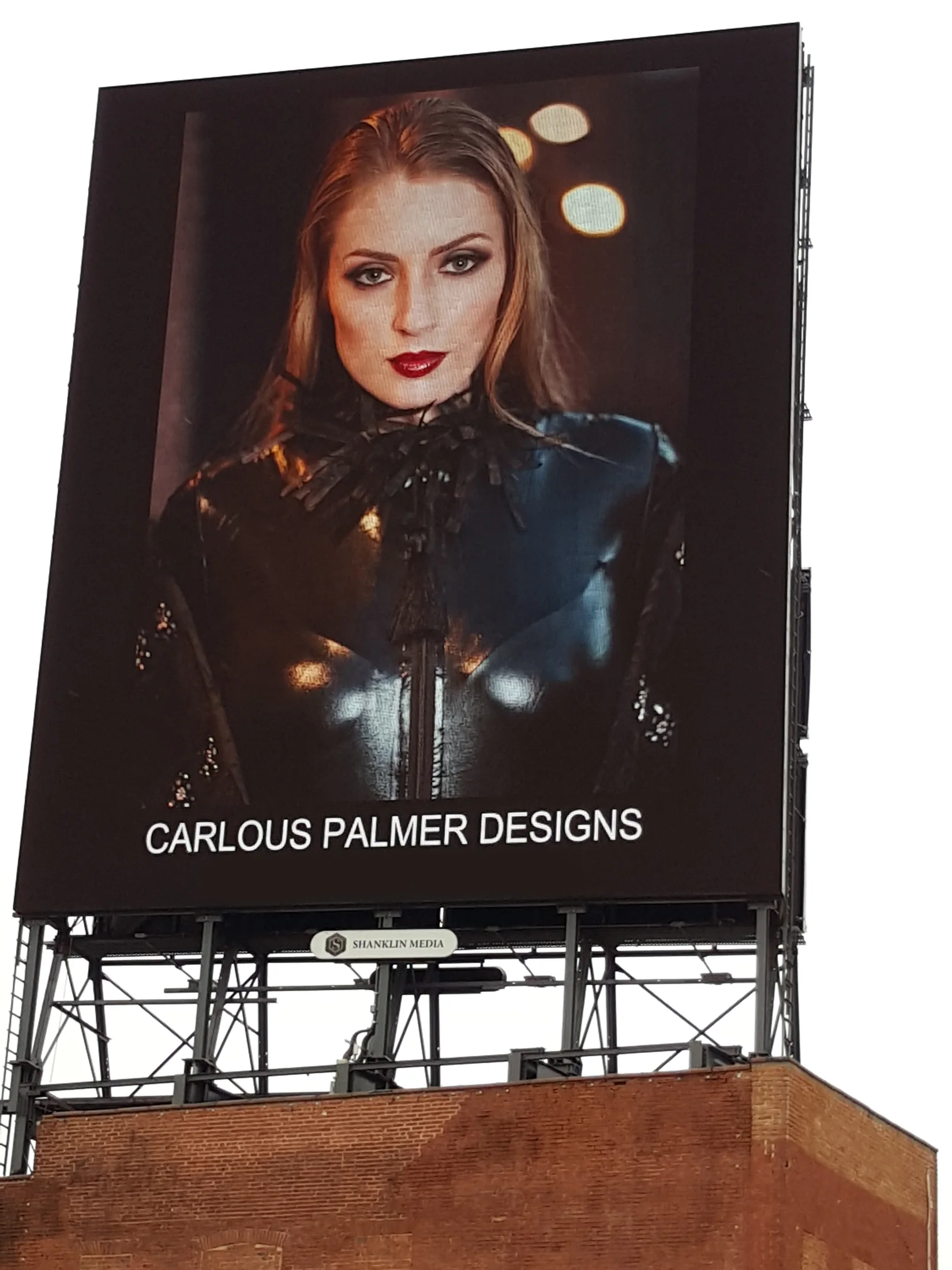
- Lead image: name the primary placement and supply its aspect ratio. Include the area needed for type or the brand mark.
- Companion images: list the other placements, such as a landing page, vertical social placement or a print ad. Mark where a separate composition is needed.
- Review at size: check a small layout mockup for legibility and a crop preview for each placement before the shoot wraps.
If you need both in one shoot
Build a shared list of garments, then mark the required catalog views and campaign setups separately. Give every row a style, placement, crop and priority. Protect time for the required views and reserve a distinct setup for the campaign lead. That gives the photographer a way to check coverage while there’s still time to make another frame.
See Svenler’s commercial photography portfolio or discuss a fashion photography assignment.