
Model portfolio planning
How to Build a Model Portfolio and Comp Card
Before booking a model portfolio photoshoot, lay out the photographs you already use. Which one would you lead with for the jobs you want? What would a booker still need to see? A model with several good close-ups may need one full-length photograph more than another portrait. An agency may want a relaxed lifestyle image for a model whose book already covers fashion.
Use those gaps to brief the photographer. Bring the current book or comp card, name the kinds of assignments you’re targeting and agree on the few pictures the session needs to deliver. If a casting brief prompted the shoot, bring its requirements too.
Build a book that shows useful range
The portfolio, often called a book, is an edited collection of your strongest work. Open with a photograph that shows you clearly and points toward the work you want. If you want more commercial castings, an open, expressive portrait might make a better first page than a heavily styled fashion image, even if the fashion image is more dramatic.
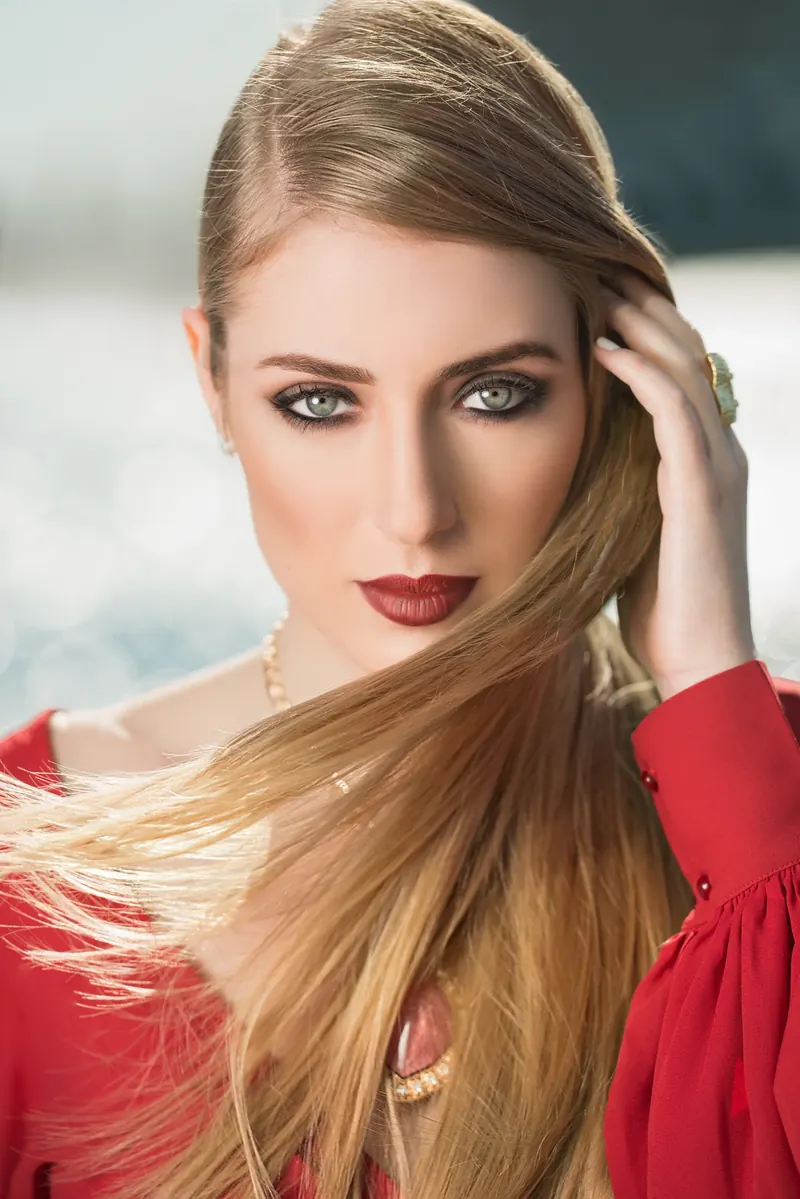
- A strong portrait gives the viewer a clear sense of your face and expression.
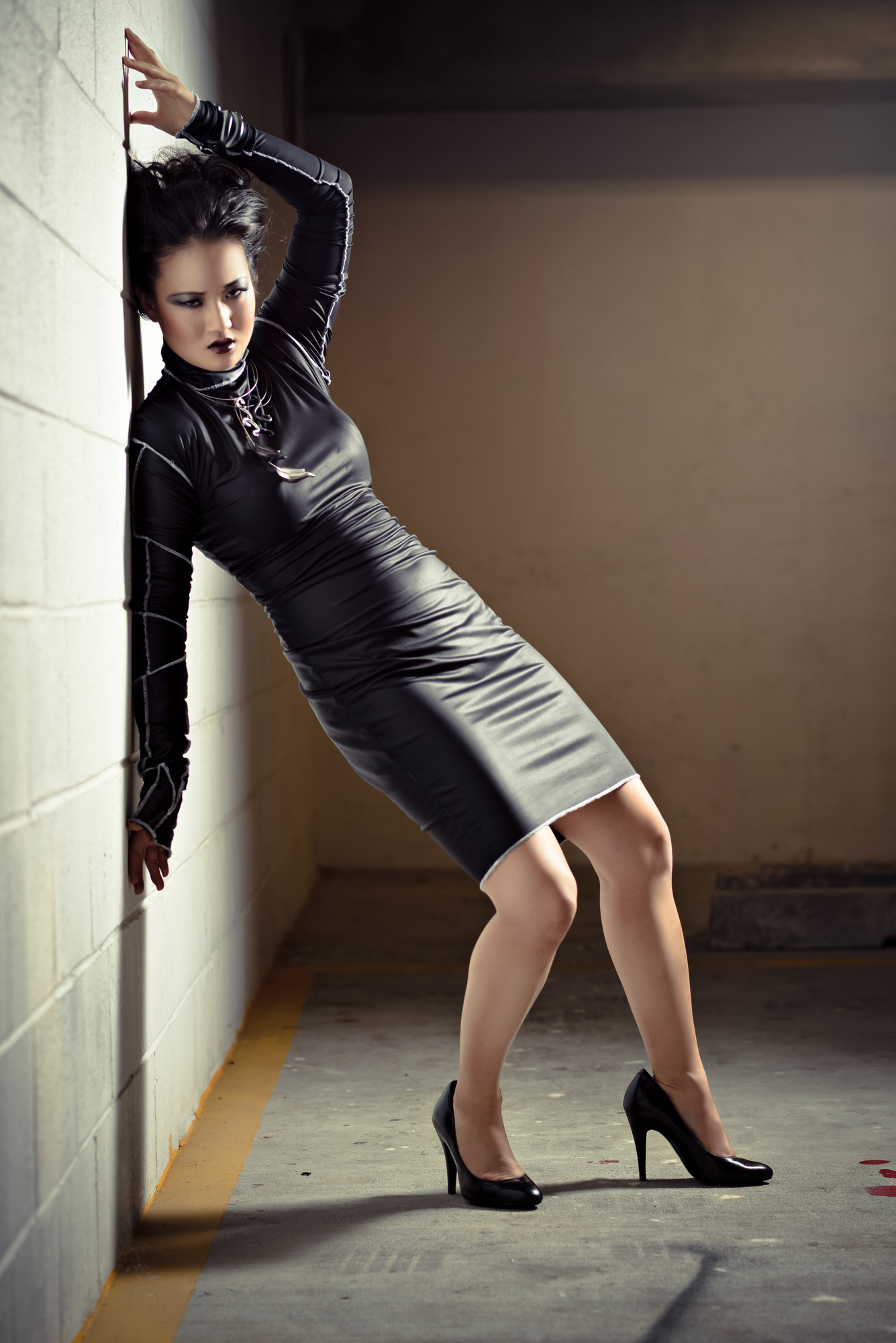
- A full-length photograph shows posture, proportions and how you carry clothes.
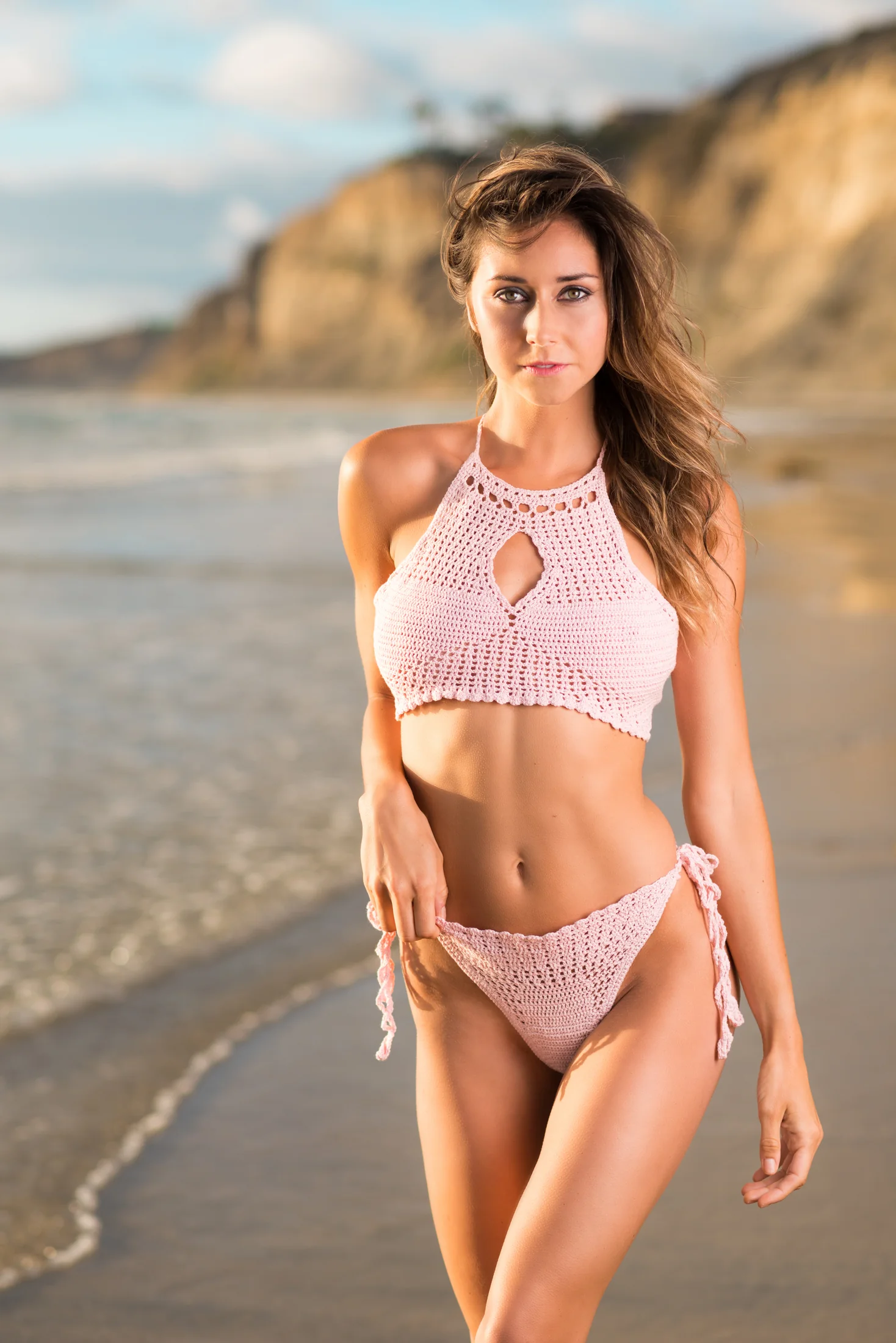
- A commercial or lifestyle image shows you engaged in an action or reacting naturally, the way a brief might ask you to.
- A movement image shows how you carry a garment or hold an expression while doing something.
- A beauty or editorial image can show what you bring to a more styled concept when that work fits your direction.
If the book already has three strong beauty close-ups, a fourth may add less than one full-length image with movement. Ask the agency which gap matters for the work it is putting you forward for. Replace photos that no longer reflect your appearance.
Four photographs that do different jobs
These finished Svenler photographs illustrate the kinds of images a model might select for a book. They come from separate assignments and show different strengths.
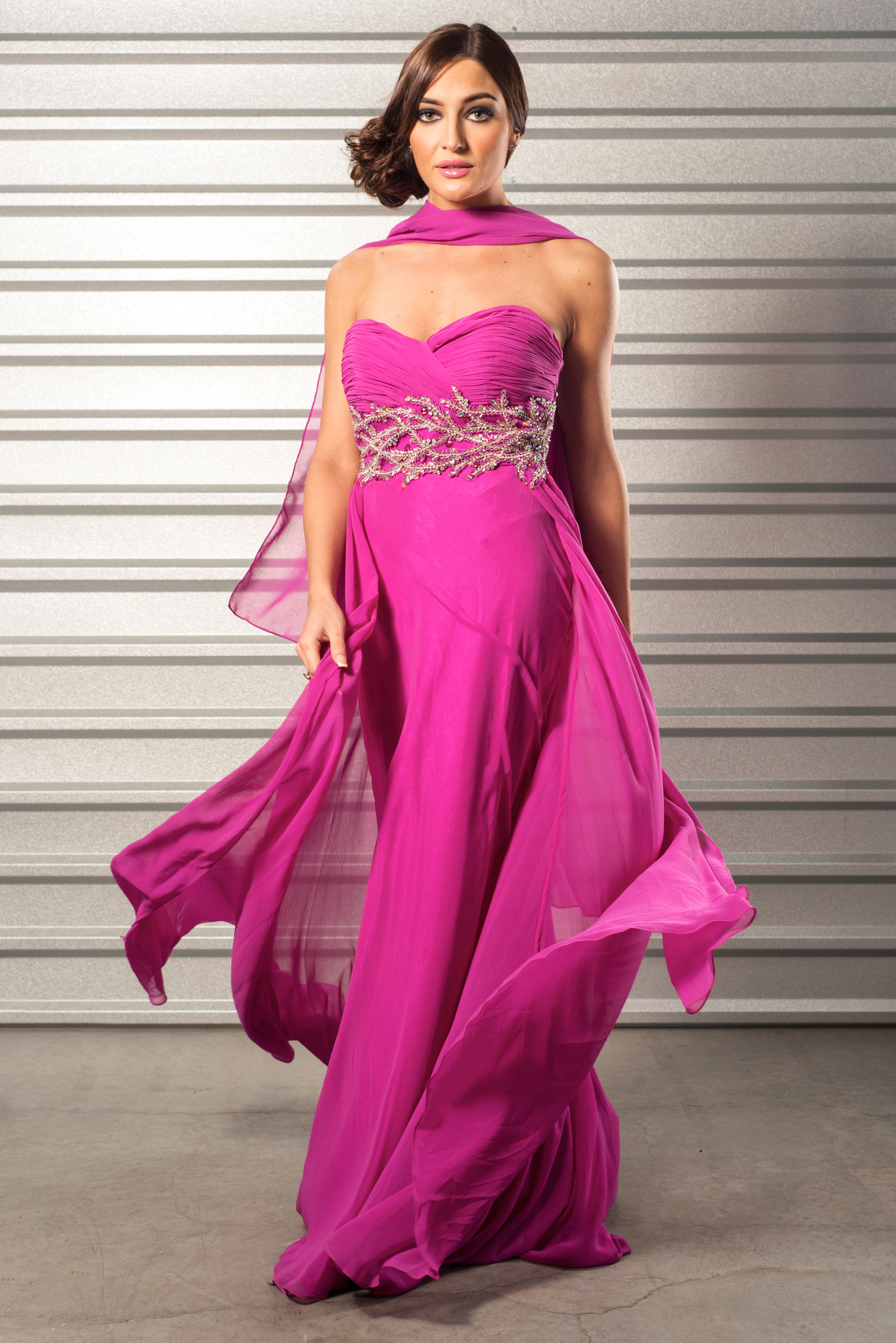
What goes on a comp card or zed card?
A comp card, also called a composite card or zed card, gives a booker a quick introduction they can take away or forward. A common agency format puts your name and a lead portrait on the front. The reverse carries three to five complementary images, current stats and the agency’s booking contact. For a public-facing card, use the agency’s booking page or contact form. Confirm the layout and which stats to include, such as height, measurements and shoe size, with your agency before making a print or digital version. CMTC’s comp card guide
Give the supporting photographs different jobs. If the lead is a close portrait, a full-length photograph, a relaxed expression and a movement image tell a booker more than three variations of the same headshot.
Keep digitals or Polaroids separate
Digitals, sometimes called Polaroids or polas, are recent, plain photographs that let an agency see your current appearance. Take them in clear light against a neutral background, with simple fitted clothing and without filters or retouching. Follow the agency’s current instructions for poses, styling and expression. Elite’s application asks for specific front and profile views and directs applicants to avoid smiling. WIMA invites both a friendly portrait and a straight shot. Elite’s application guidance · WIMA’s digitals guidance
What styling adds to a portfolio image
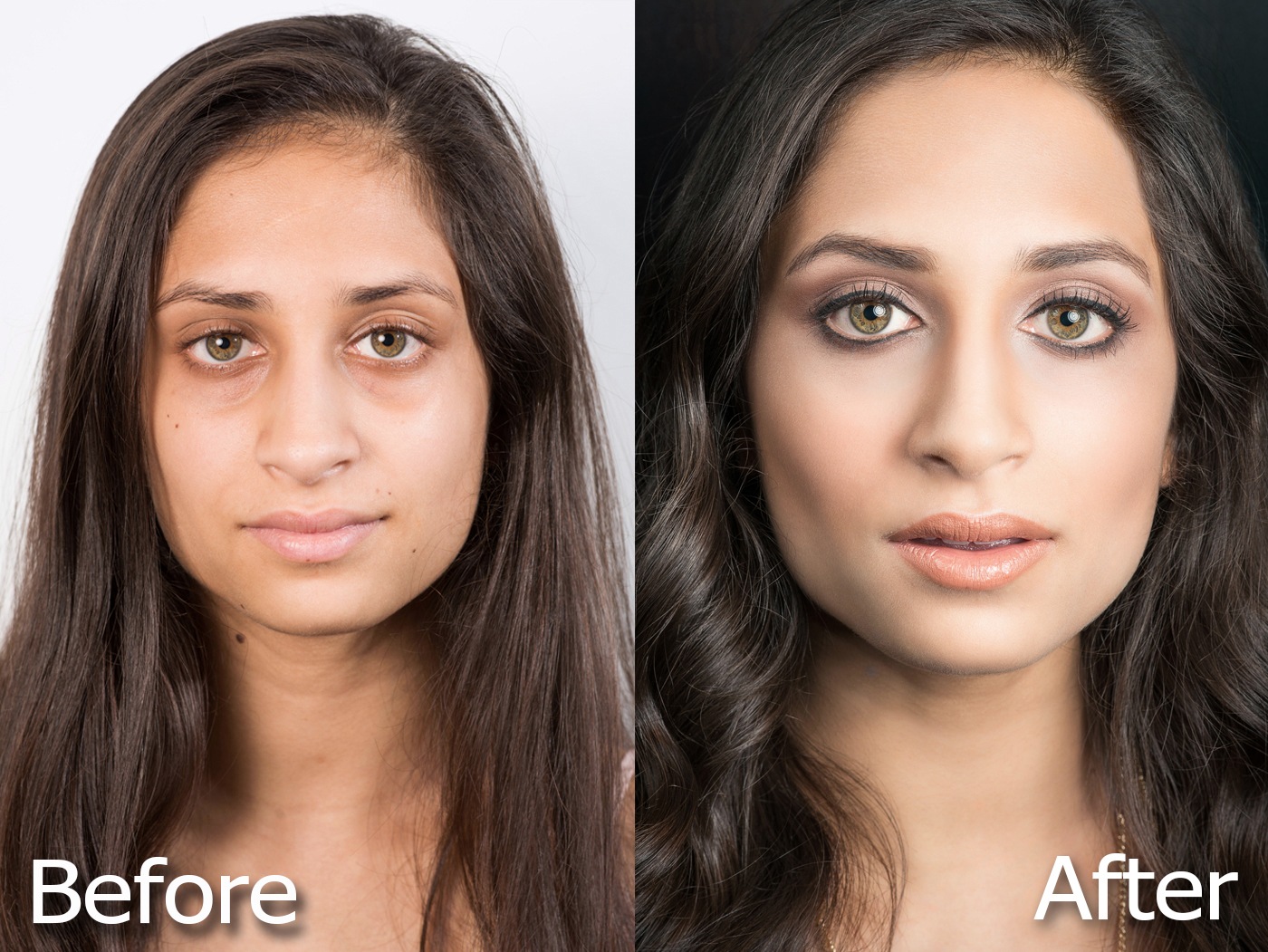
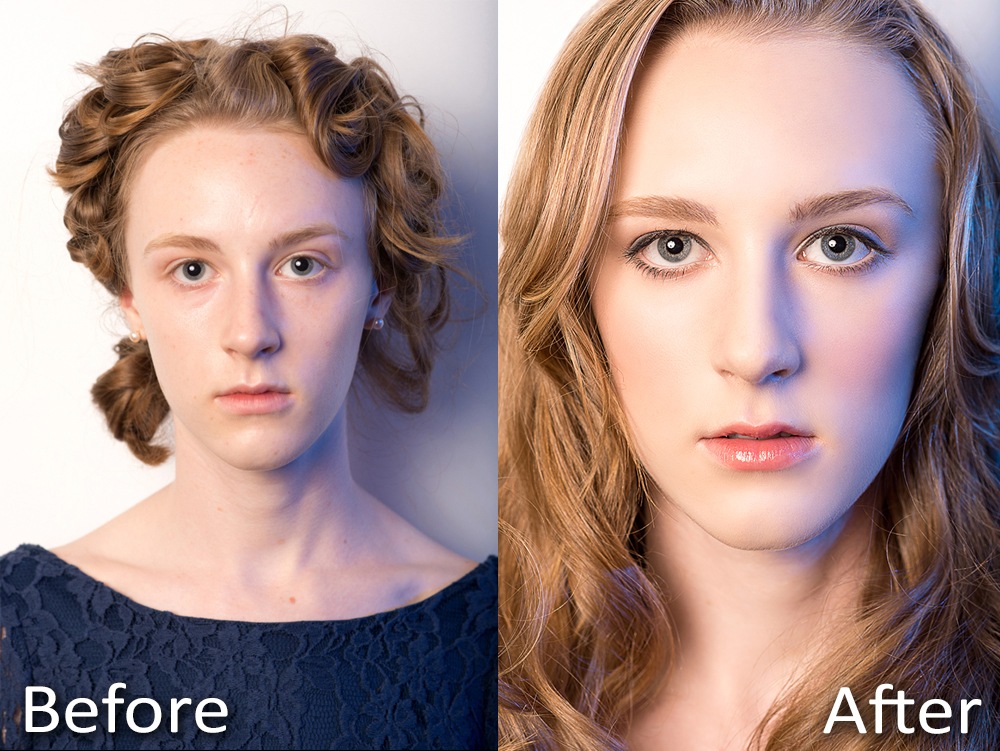
These behind-the-scenes comparisons show how hair, makeup and framing can change the kind of work a portrait suggests. They compare different photographs. The original labels are part of the supplied images, and neither pair is a template for agency digitals.
Plan the next shoot around what’s missing
Bring your current book, comp card and any notes from your agency. If a client brief prompted the update, bring that too. Decide which images need replacing, which new views you need and where those photographs will be used. Use that list to agree on wardrobe, the shots to prioritize and how the final images will be delivered.